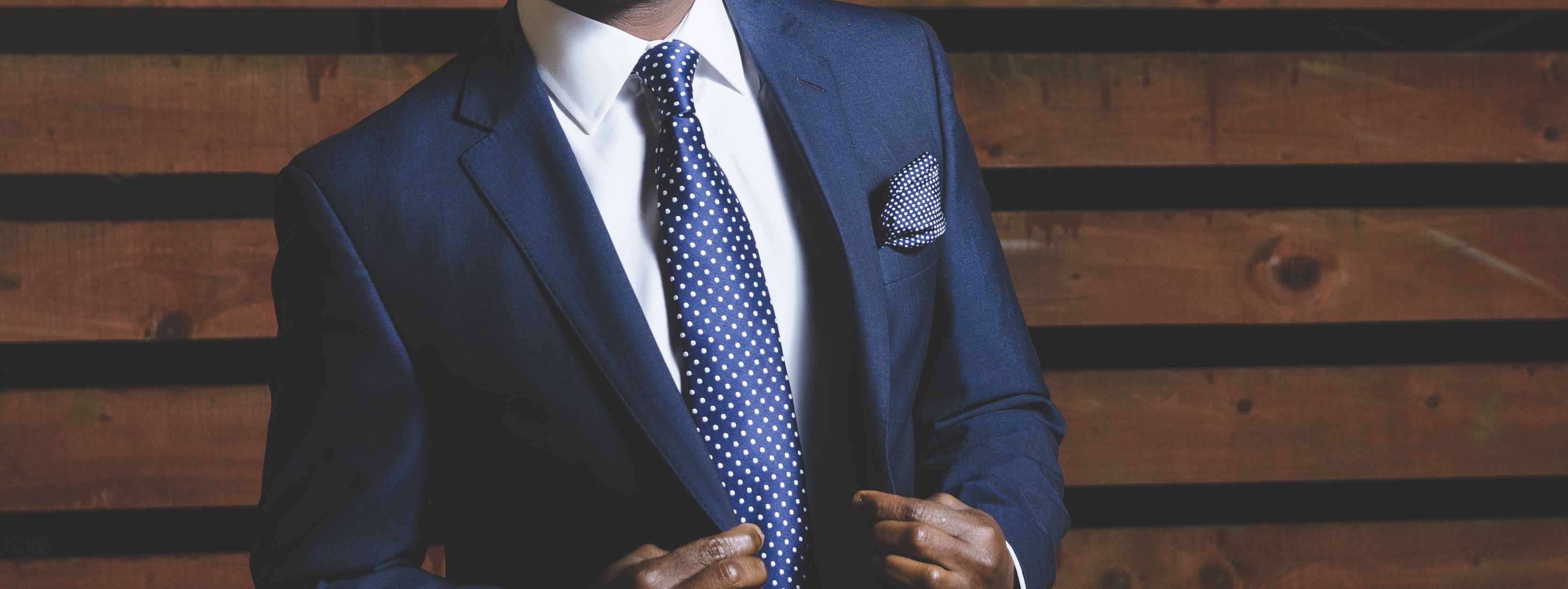
A suit can look perfectly fine when you first put it on, especially if you’re used to buying clothes straight off the rack. But experienced tailors can often spot a poor fit within seconds.
That’s because a well-fitting suit isn’t simply about whether you can button the jacket. The shoulders, sleeves, chest, waist, trousers, and overall proportions all need to work together.
Some fitting mistakes are easy to fix. Others are signs that you’re starting with the wrong size or cut. Knowing the difference can save you money—and help you look considerably sharper.
1. The Jacket Shoulders Are Too Wide
One of the first things a tailor looks at is the shoulder line.
If the shoulder seam extends noticeably beyond the natural edge of your shoulder, the jacket is likely too large. Excess fabric may also create a slightly sloping or drooping appearance.
Shoulder alterations can be complicated and expensive compared with simpler adjustments, so it’s usually better to start with a jacket whose shoulders already fit reasonably well.
What to look for: The shoulder seam should sit close to where your shoulder naturally ends, without creating obvious bunching or overhang.
2. The Jacket Is Too Tight Across the Chest
Another common mistake is choosing a jacket based on how slim it makes you look.
A fitted jacket should still allow you to move comfortably. When buttoned, the fabric across the chest should remain relatively smooth rather than forming strong horizontal or diagonal wrinkles.
If the lapels pull away from the chest or the button area looks strained, the jacket may simply be too small.
A suit should define your shape—not fight against it.
3. The Sleeves Are the Wrong Length
Sleeve length is one of the easiest details to overlook.
Jacket sleeves that are too long can make the entire suit appear oversized. Sleeves that are too short can create an awkward gap between the jacket and shirt.
As a general guideline, a small amount of shirt cuff should be visible beyond the jacket sleeve when your arms are relaxed.
The exact amount is partly a matter of personal preference, but the key is maintaining a clean relationship between the shirt and jacket.
4. The Jacket Waist Is Either Too Loose or Too Tight
The waist helps create the shape of the jacket.
If there is too much excess fabric around the midsection, the jacket can appear boxy. If it is excessively tight, you’ll likely see pulling around the buttons or pockets.
Many off-the-rack jackets can be adjusted through the waist, assuming there is enough fabric and the construction allows it.
The goal isn’t to create an extremely slim silhouette. A good alteration should make the jacket follow your natural shape while preserving comfort.
5. The Jacket Length Is Wrong
Jacket length can dramatically affect the proportions of your body.
A jacket that is too short may make the torso appear unusually compact. One that is too long can make the legs look shorter and create a heavier overall silhouette.
Rather than judging the length only from the front, check the jacket from the side and back as well.
A classic jacket should generally provide balanced coverage while creating a clean line from the shoulders down to the hem.
6. The Trousers Are Too Long
Excessive fabric gathering around the shoes is one of the easiest suit problems to spot.
When trousers are too long, they can create multiple folds around the ankle and make an otherwise polished outfit look untidy.
The appropriate amount of trouser break depends on the style you’re wearing. A traditional suit may have a modest break, while a contemporary look might use little or no break.
What’s important is that the length looks intentional rather than accidental.
7. The Trousers Are Too Tight
Slim trousers shouldn’t be confused with trousers that are simply too small.
If the fabric pulls across the thighs or creates horizontal wrinkles around the hips and pockets, you may need a larger size or a different cut.
Your trousers should allow you to sit and move comfortably without constantly feeling restricted.
A clean silhouette is valuable, but comfort should never be sacrificed simply to make trousers appear slimmer.
8. The Waistband Doesn’t Sit Correctly
Suit trousers should sit securely without requiring constant adjustment.
If the waistband is digging into your stomach, the trousers may be too tight. If they slide down when you walk, they may be too loose or have the wrong rise for your body.
The rise—the distance between the waistband and crotch—also affects how the trousers sit and how your proportions look.
A tailor can often make modest waist adjustments, but a major problem with the rise may require a different trouser cut.
9. Ignoring the Overall Proportion
Sometimes every individual piece appears acceptable, yet the suit still doesn’t look quite right.
This can happen when the jacket, trousers, shirt, and shoes don’t create a balanced silhouette.
For example, a very structured jacket combined with extremely slim trousers can create a dramatically different appearance from a softer jacket paired with straight-leg trousers.
Tailors look at the entire outfit rather than judging individual measurements in isolation.
The Biggest Mistake: Assuming “Almost Right” Is Good Enough
One of the most common mistakes men make is accepting a suit that is almost right everywhere.
Maybe the shoulders are slightly too wide, the sleeves are a little long, and the trousers have too much fabric at the bottom. None of these problems seems dramatic on its own, but together they can make the entire suit look less polished.
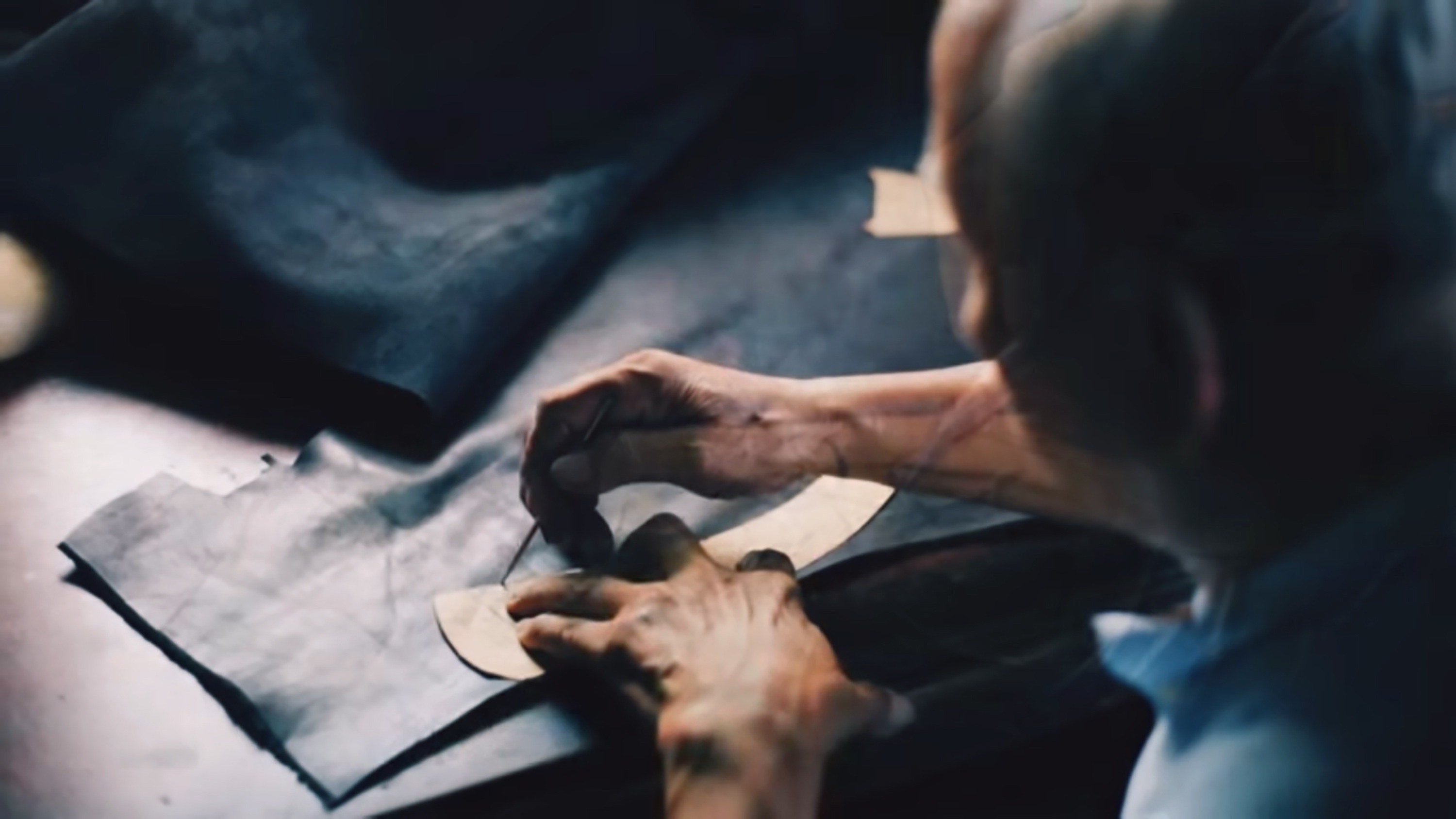
This is where tailoring can be valuable.
Small adjustments to sleeves, trouser length, jacket waist, and trouser waist can turn an ordinary off-the-rack suit into something that looks considerably more personalized.
Start With the Right Size Before Altering Anything
Tailoring has limits.
A skilled tailor can refine the fit, but alterations cannot always transform a fundamentally unsuitable suit into a perfect one.
The shoulders, chest, jacket length, and overall cut should be reasonably close before you invest in alterations. It’s generally better to start with the right foundation and then make smaller adjustments.
A good fit should feel natural rather than restrictive.
A Well-Fitted Suit Should Look Effortless
The best-fitting suit is rarely the one that looks aggressively tight or heavily structured.
Instead, it should create clean lines, balanced proportions, and enough room for comfortable movement.
If the shoulders sit correctly, the jacket closes smoothly, the sleeves reach the right point, and the trousers fall neatly over the shoes, you’re already much closer to a polished appearance.
Good tailoring isn’t about making clothes smaller. It’s about making the proportions work for the person wearing them.