Oversized clothing has become a major part of modern menswear. Relaxed shirts, wide trousers, and loose jackets can look stylish when they’re intentionally designed and properly coordinated.
But formalwear follows a different set of rules.
At weddings, business events, formal dinners, and other occasions where a polished appearance matters, clothes that are excessively oversized can make an outfit look less refined. The issue isn’t that loose clothing is always wrong. It’s that formal clothing relies heavily on structure, proportion, and clean lines.
Here’s why fit matters so much when dressing formally.
Formal Clothing Is Built Around Structure
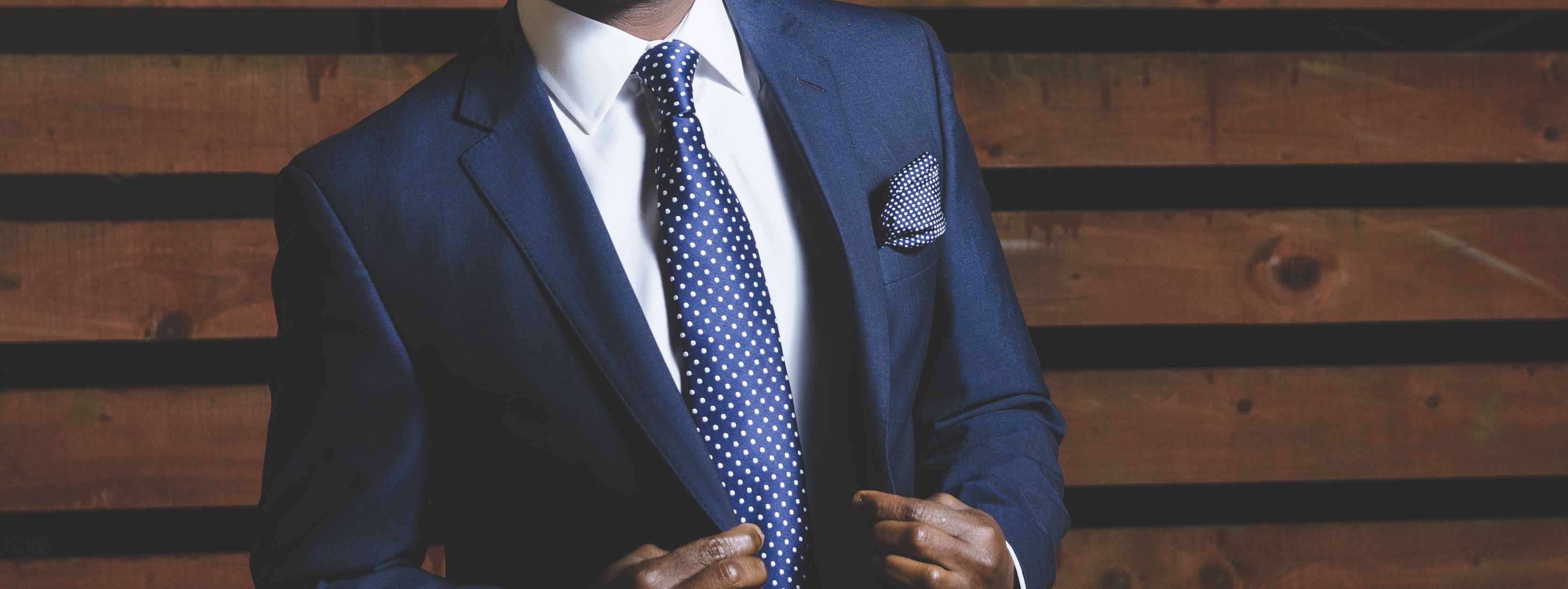
A formal suit is designed to create a clear silhouette.
The shoulders establish the shape of the jacket, the waist provides definition, and the trousers create a clean line toward the shoes. When those elements fit correctly, the outfit looks intentional.
Oversized clothing can obscure those proportions.
A jacket with shoulders that extend too far or excessive fabric around the waist can make the wearer appear smaller inside the garment. Instead of creating structure, the clothing begins to dominate the silhouette.
Oversized Isn’t the Same as Relaxed
There’s an important distinction between relaxed fit and clothing that simply doesn’t fit.
A modern suit can have a slightly roomier cut while still maintaining proper shoulder placement, sleeve length, jacket proportions, and trouser shape.
Oversized clothing, on the other hand, often intentionally exaggerates those dimensions.
That can work extremely well in casual fashion. But when the occasion calls for traditional formalwear, exaggerated proportions may clash with the expected appearance.
The Shoulders Make a Major Difference
The shoulders are particularly important in formal jackets.
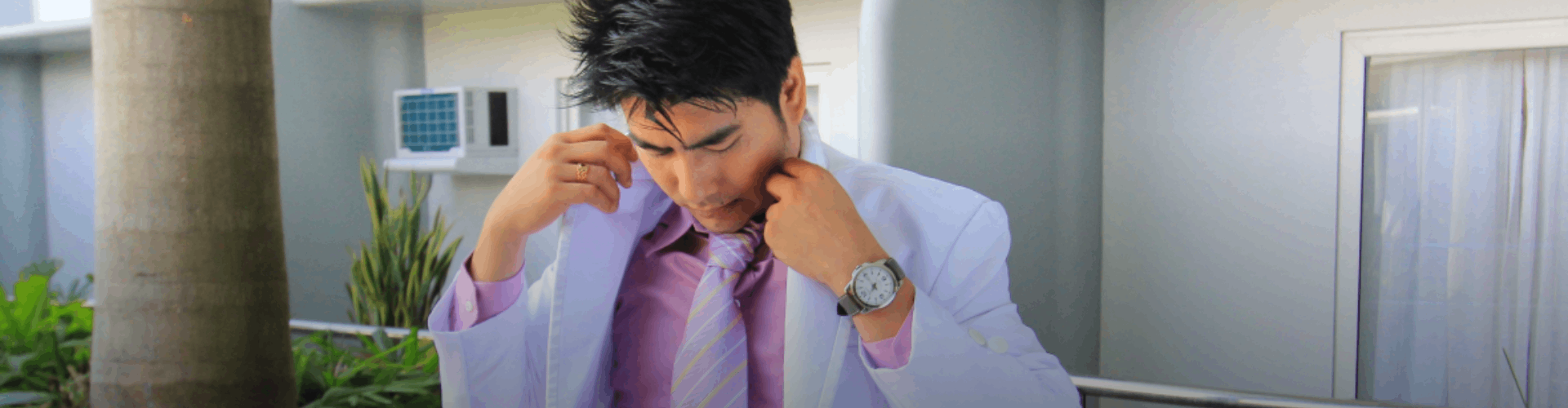
A suit jacket with correctly positioned shoulder seams creates a clean transition between the body and the sleeve. When the shoulders extend too far beyond the natural shoulder line, the jacket can appear noticeably larger.
This is one reason experienced tailors pay close attention to shoulder fit when evaluating a suit.
Small adjustments elsewhere may be possible, but correcting significantly oversized shoulders can be much more complicated.
Sleeves Can Make an Oversized Suit Look Even Larger
Sleeve length also affects how people perceive the size of a jacket.
If the sleeves extend too far over the hands or hide most of the shirt cuff, the entire jacket can appear oversized.
A properly proportioned jacket generally allows a small amount of shirt cuff to show when the arms are relaxed.
It’s a small detail, but it helps establish the relationship between the shirt and jacket.
Trousers Need Clean Lines Too
Oversized formalwear isn’t limited to jackets.
Extremely wide trousers can also change the proportions of an outfit. While wider trousers are certainly part of modern fashion, excessive fabric around the legs can overwhelm a traditional formal silhouette.
The goal is not necessarily to wear extremely slim trousers.
Instead, choose a cut that provides enough room for comfort while maintaining a clean line from the waist to the shoes.
Formal Occasions Usually Reward Proportion
Formal dressing tends to work best when all the elements feel balanced.
A structured jacket, appropriately sized trousers, a properly fitted shirt, and suitable footwear create a cohesive silhouette.
If one element becomes dramatically oversized, it can dominate the entire outfit.
This doesn’t mean formalwear has to be conservative or old-fashioned. Modern tailoring offers plenty of room for personal style. The key is making sure the proportions look deliberate.
Fit Doesn’t Mean Tight
One misconception about well-fitted clothing is that it needs to be close to the body.
That’s not true.
A well-fitting suit should allow you to sit, walk, reach, and move comfortably. There should be enough room across the chest and shoulders without creating excessive fabric.
The best fit is often somewhere between restrictive and oversized.
Think clean and comfortable, rather than simply tight.
Tailoring Can Improve an Off-the-Rack Suit
Even a good suit may not fit perfectly straight from the rack.
Men have different shoulder widths, arm lengths, waist measurements, and leg proportions. Off-the-rack clothing is made to accommodate a broad range of body shapes, so some adjustments are normal.
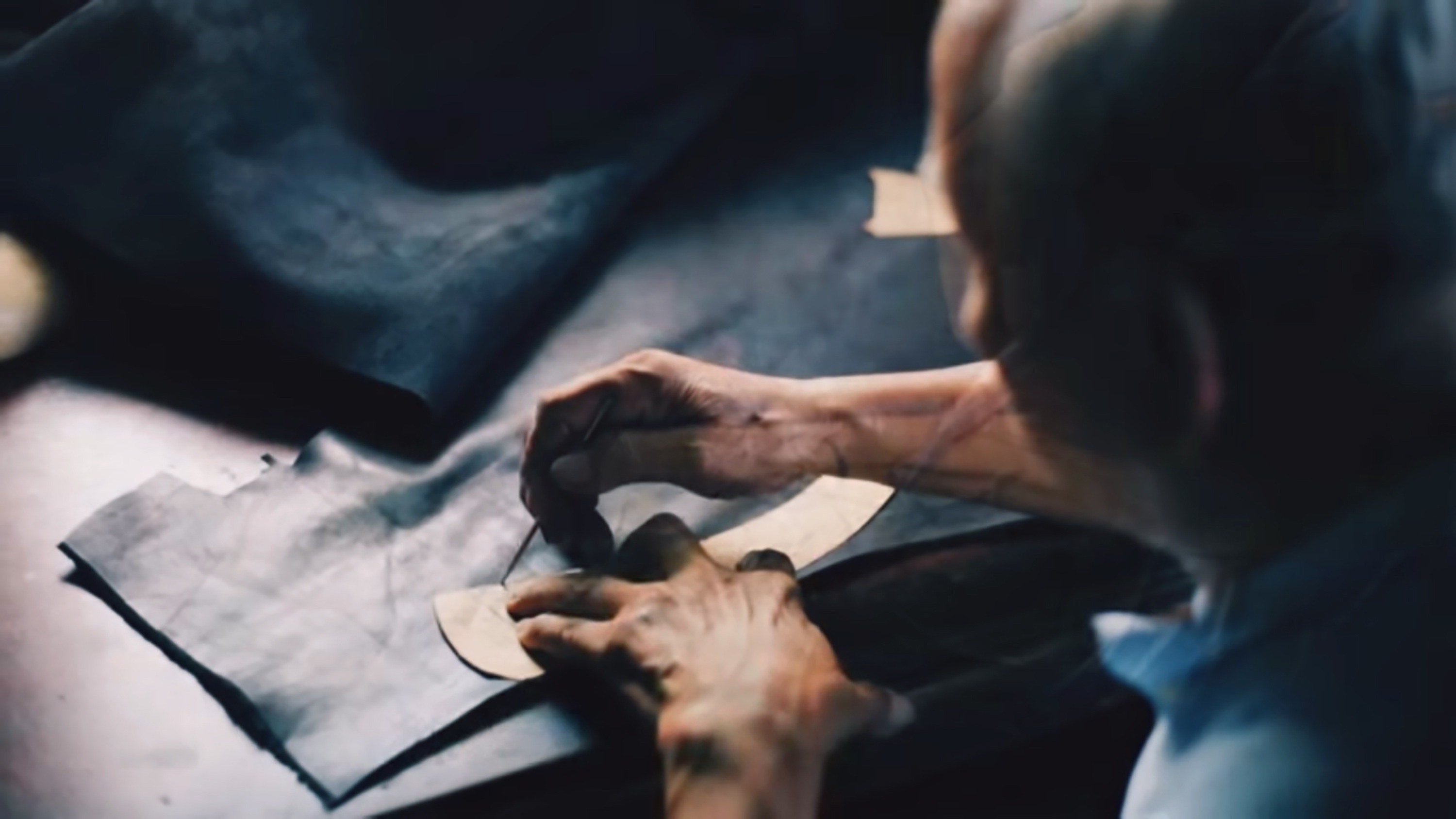
Simple alterations such as adjusting sleeve length, trouser length, or the jacket waist can make a significant difference.
This is one reason a moderately priced suit can sometimes look more refined than a much more expensive one that hasn’t been properly fitted.
When Oversized Formalwear Can Work
There are exceptions.
Fashion-forward designers and modern tailoring brands sometimes intentionally use oversized proportions in formal collections. Wide-leg trousers, longer jackets, and relaxed silhouettes can look sophisticated when the entire outfit has been designed around those proportions.
The difference is intention.
An oversized suit that has been carefully designed and styled is very different from wearing a suit that is simply two sizes too large.
The Goal Is Confidence, Not Conformity
Traditional tailoring principles exist because they create reliable proportions, but personal style doesn’t have to disappear when you dress formally.
If you prefer a modern silhouette, experiment with slightly wider trousers, softer shoulders, or a more relaxed jacket cut.
Just make sure the proportions remain intentional.
Ultimately, well-dressed doesn’t mean wearing the smallest or most fitted clothes possible. It means wearing clothes that fit the occasion, complement your proportions, and look deliberate.
For formal occasions, that’s usually easier to achieve with a suit that provides structure rather than one that overwhelms the person wearing it.